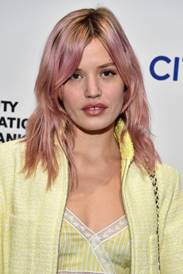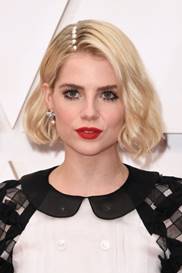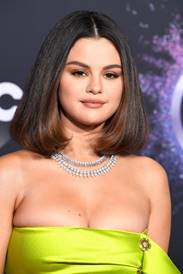
Hair has long symbolised strength, youth and vitality. Many historical societies regarded it as a centre of power.
In antiquity, hair accessories indicated social status, while hairstyles communicated aspects of women’s circumstances.
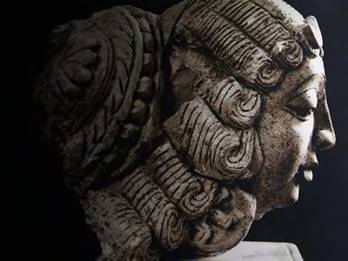
In ancient Greece, women who were neither in mourning nor enslaved generally kept long hair, arranged in curls or buns. Curly hair symbolised change, freedom and the joy of living as well as fashion. Considering a narrow forehead beautiful, Greeks arranged hair to reduce its apparent width.
Ancient Roman hairstyles featured elaborate, dense curls and braids. Beetroot and plum extracts were used for colouring, and the Romans also practised early hair lightening.
In the 6th–7th centuries BC, hair was decorated with pearls and ribbons, while upper-class women wore crescent-shaped crowns of gold, silver and bronze.
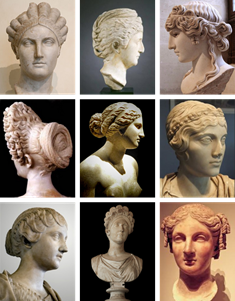
Medieval hairstyles emphasised outward-curving edges and a well-groomed appearance. Braids provided a distinctive signature, with three-strand, four-strand, twisted, crossed and woven styles. Loose long and short hair also curved outwards.
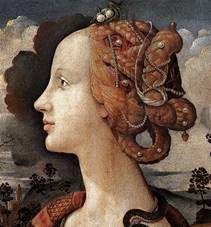
Renaissance hair was generally kept simple, with accessories providing much of the visual impact. Some women added ribbons, and wigs were also used.
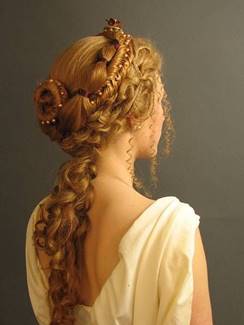
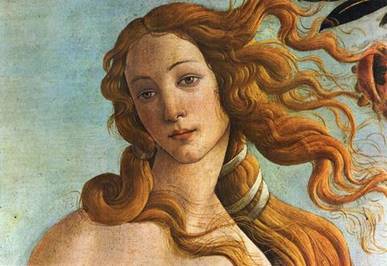
Full, long hair was considered healthier, and paintings depicted Venus and the Madonna with abundant hair.
During Louis XIII’s reign in France (1601–1643), Mademoiselle Fontage reportedly fell from a horse during a hunt and secured her dishevelled hair with a stocking garter. A style known as fontage subsequently became fashionable.
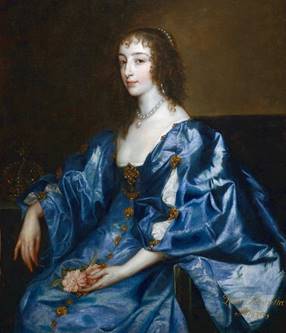
Henrietta Maria (1609–1669), daughter of Henry IV of France and Marie de’ Medici, helped popularise softer hairstyles with curls falling around the temples and forehead.
Eighteenth-century French fashion favoured exaggerated volume. Marie Antoinette’s style was created by backcombing powdered hair at the crown and adding white ostrich feathers. It was quickly imitated.
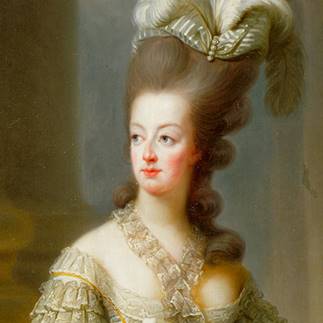
Grey was the most popular hair colour of the 18th century. Young women, including Marie Antoinette, powdered voluminous hairstyles in grey; other pastel powders were also used.
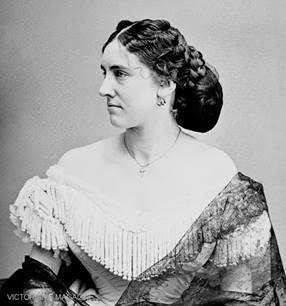
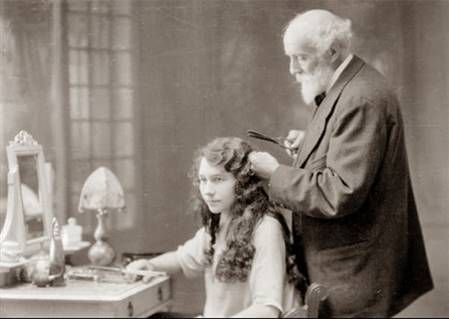
In 1872, French hairdresser Marcel Grateau developed a waving technique using rounded iron tongs of his own design.
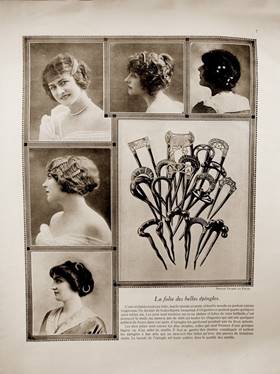
Blue and violet became fashionable hair colours internationally in 1913.
Short hair was particularly favoured by women taking an active role in everyday life.
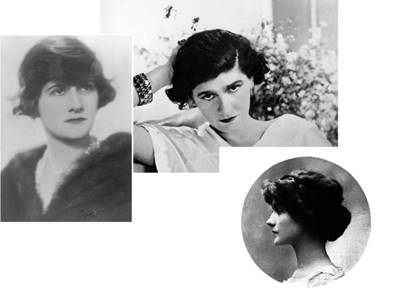
Coco Chanel pioneered short hair, which began appearing in 1918 and became widespread in 1923. The source recounts that after a gas-stove explosion burned her long hair, she cut it in a masculine style and attracted attention at the opera that evening. Parisian women asked for Chanel-style hair the following day.
In the 1920s, short straight hair, and especially short waves, became defining elements of flapper style.
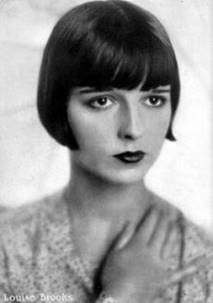
Women in republican Türkiye also favoured short hair. Bob cuts and an androgynous appearance became internationally accepted trends in the early 1920s. The style was called à la chinoise in Paris and à la russe in the Ottoman Empire, after Russian refugee women living in the city.
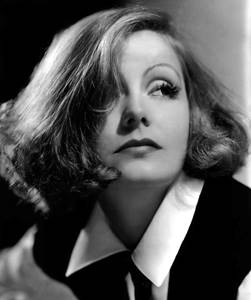
Hair grew longer in the 1930s, with waves and an emphasis on naturalness and harmony.
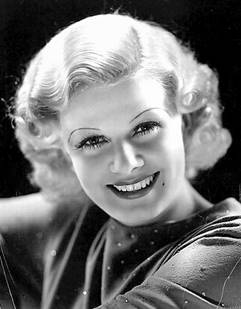
In the early 1930s, Jean Harlow became known for almost-white platinum-blonde hair. As she rose to stardom, women coloured their hair to resemble hers.
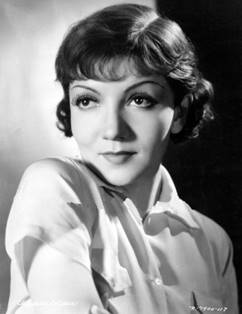
Claudette Colbert’s fringe, created by Hollywood stylist Antoine, became fashionable.
Hollywood continued to influence fashion in the 1940s, popularising elaborate long, curly hairstyles.
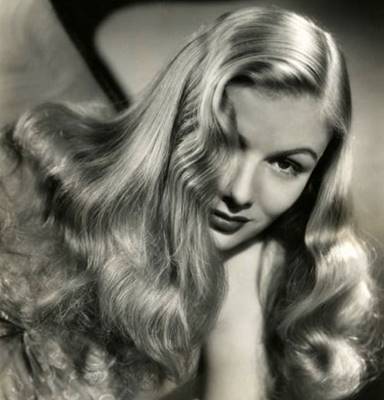
Veronica Lake created a new trend with voluminous hair and a fringe falling over one eye.
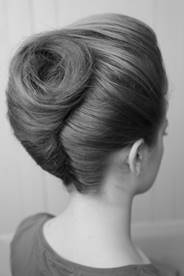
In the 1950s, hairstyles became simpler while retaining volume and generous hairspray.
Fringes fell out of fashion as short, softly waved or permed hair gained ground. Buns and French twists became popular.
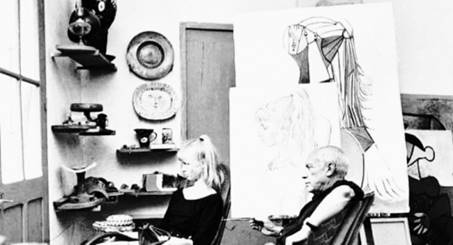
Animal-inspired styles such as the lamb’s head and ponytail emerged. Picasso’s portrait of a young woman with a ponytail helped popularise the style, particularly among young women and students.
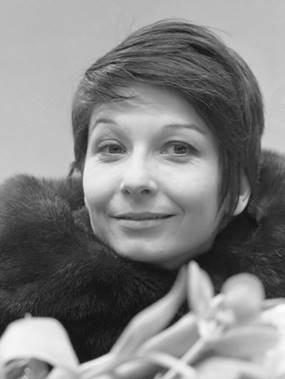
French actress and dancer Zizi Jeanmaire popularised the cropped, mischievous boyish look known as à la garçonne.
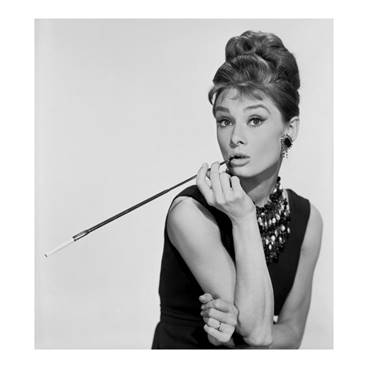
The beehive became highly popular and endured for a decade. Audrey Hepburn wore the style in Breakfast at Tiffany’s.
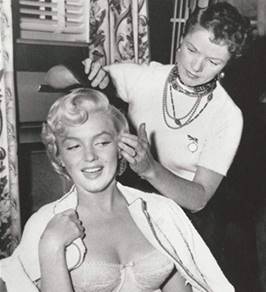
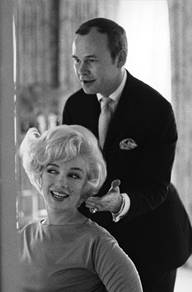
Hairstylist Kenneth Battelle exaggerated Marilyn’s familiar bell shape with a fringe over her right eye, a downward curve on the left and a wave lifting above her forehead. This emphasised her features and makeup and became an enduring style.
Naturalness came to the fore in the 1960s, while the short pixie cut became fashionable.
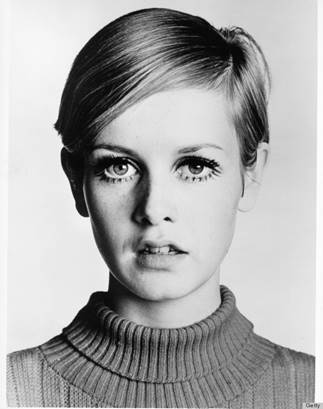
The Twiggy trend took its name from British model Lesley Lawson, known as Twiggy, and was characterised by a slim figure, large eyes, long eyelashes and short hair.
Vidal Sassoon first created angular, geometric hairstyles on Nancy Kwan in 1963, attracting considerable attention during the 1960s.
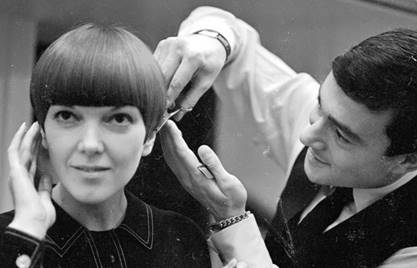
The cut is described as a wedge bob. Sassoon became an influential figure in hair design, creating sharply defined, fringed styles inspired by Bauhaus geometry that could be worn by women and men. Designed for convenience, the cut aimed to reduce washing and styling time.
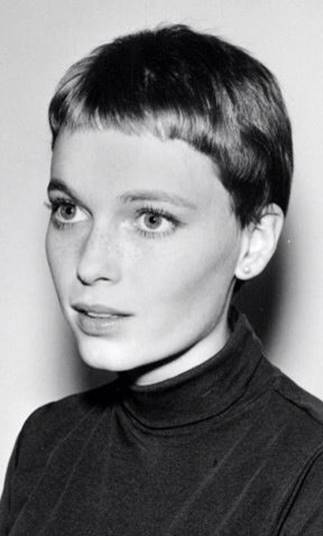
The haircut Sassoon created for Mia Farrow made a major impact on wider audiences.
The 1970s featured varied styles, with long hair worn loose and dishevelled or braided. Curling rods and rollers were set aside in favour of leaving hair more natural.
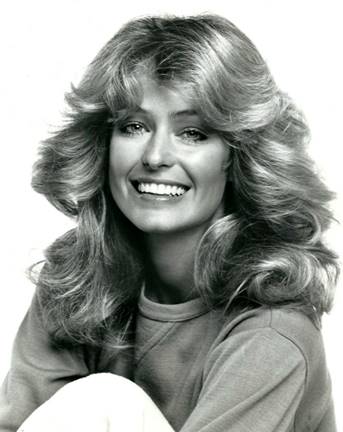
Farrah Fawcett made full, voluminous hair a signature look.
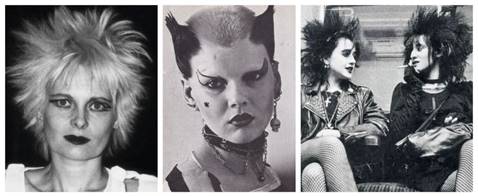
Punk culture emerged during this period. Hair was stiff and spiked in red, green, blue, yellow or peroxide shades with black stripes. Medium-length curls flicked out at the ends suggested a more elegant, mature appearance.
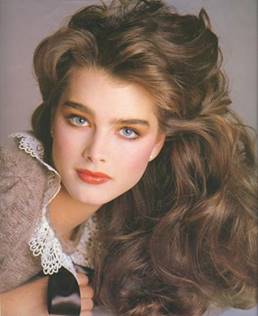
In the 1980s, Brooke Shields and Meryl Streep became references for hair colour and style. Kim Basinger’s tousled look, naturally brushed straight hair and tightly gathered Spanish-style buns also became fashionable.
In the 1990s, long layers and fringes framed the face. Blonde shades, streaks, highlights and lowlights were especially popular.
Hair was coloured light blonde or pinkish red and worn in shoulder-length layers, blow-dried with the ends turned out.
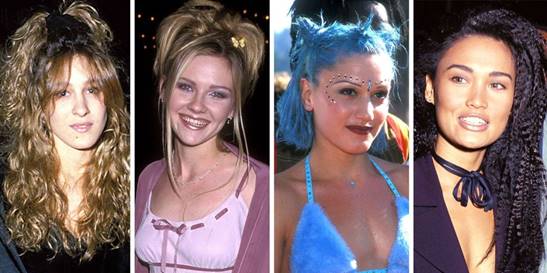
Modern short cuts appeared towards the end of the 1990s.
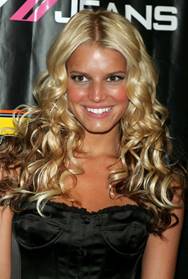
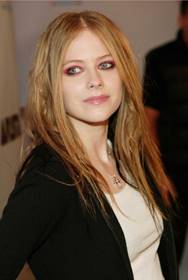
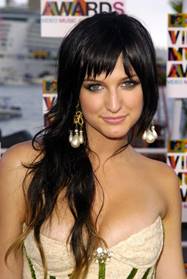
Hairstyles became more individual in the 2000s and changed frequently. Pin-up street fashion combined with rock and punk imagery, while varied hair colours came to the fore.
In the first quarter of the 21st century, trends continue to change, with historical hairstyles periodically adapted for the present.
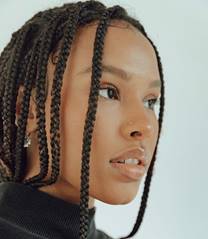
1990s braids lead the hair trends of 2020.
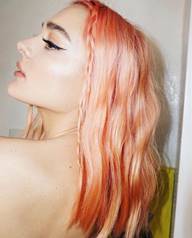
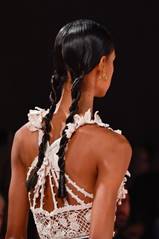
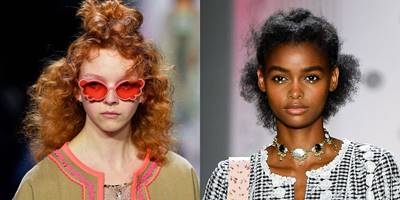
Messy Updos with Accessories
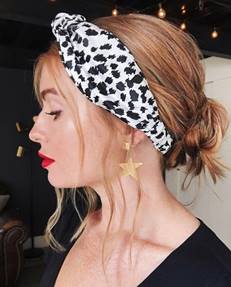
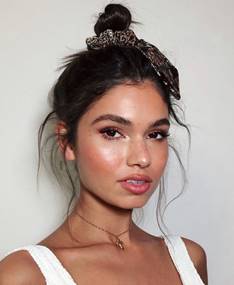
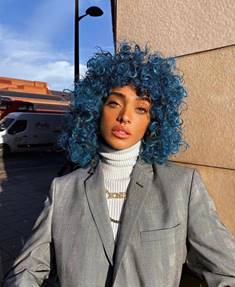
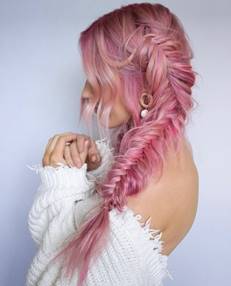
Vivid, Glossy Shades
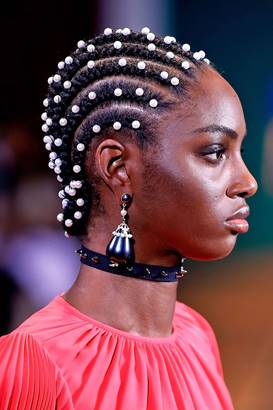
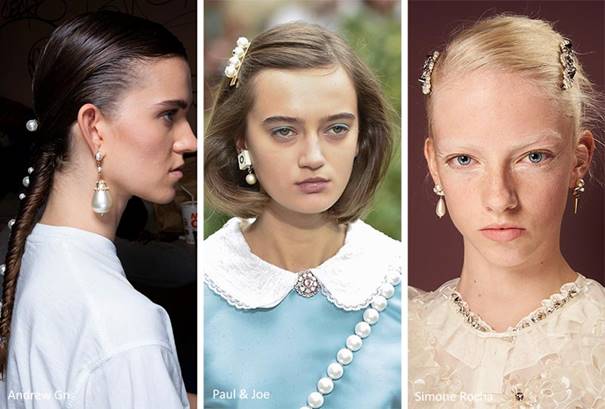
Pearls in Hair
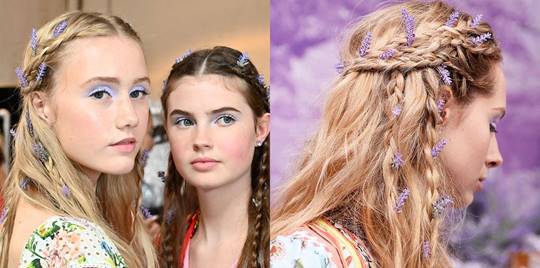
Floral Themes
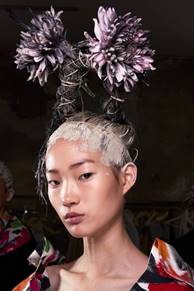
Ponytail
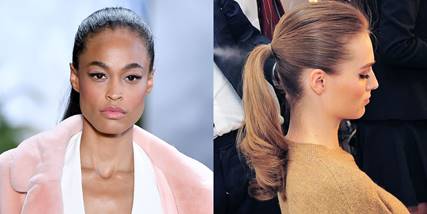
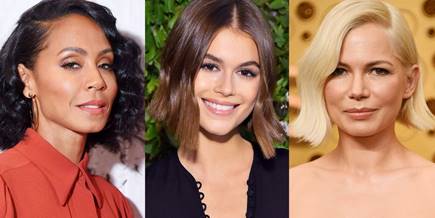
Bob Cut
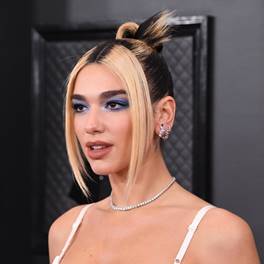
Trending hair colours for 2020 include glossy chestnut, honey blonde, classic Hollywood blonde, strawberry pink and red, alongside bold balayage and contrasting roots.