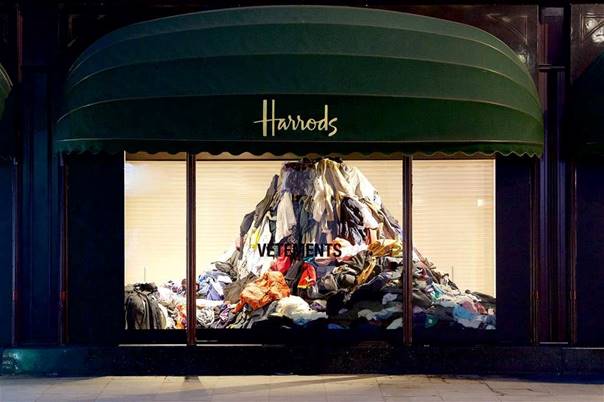
Sustainability is a worldview that seeks to meet economic and environmental needs without harming future generations’ living conditions.

The sustainability movement is traced to the 1972 United Nations Conference on the Human Environment in Stockholm, Sweden, and gained recognition through Our Common Future, the Brundtland Report published in 1987.
Concerns about ecological imbalance, global warming and declining natural resources gave rise to environmental movements. As movements of the 1960s and 1970s gathered momentum, ecology began to influence textiles strongly from the 1990s, encouraging brands to develop around sustainability.
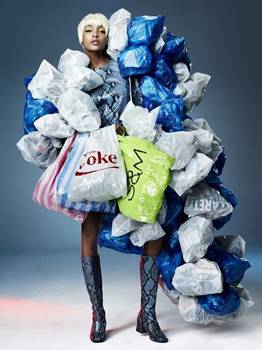
Sustainable product design gained prominence, with many brands and organisations making it a foundation of production.
The general aims are to reduce natural resource and energy use, lower costs and encourage environmentally friendly products.
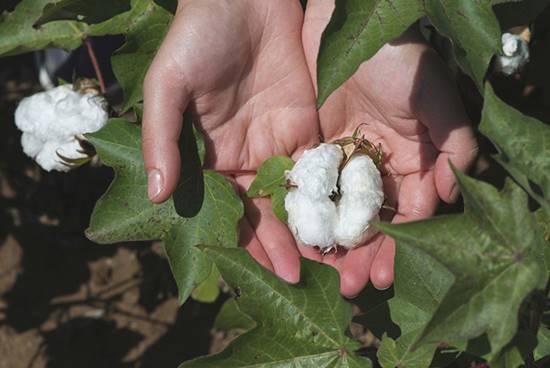
Sustainable design-led production assesses environmental impacts and carbon footprints to minimise harm to nature.
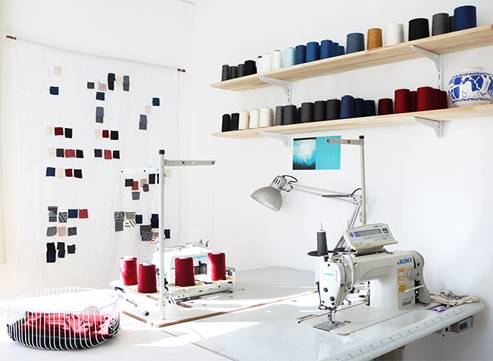
In the 1990s, publications and trade fairs emphasised natural and recycled fibres. From the mid-2000s, organic products and edible fibres became sources of innovation, encouraging manufacturers to use alternative materials in collections.

Stella McCartney has been a leading advocate of environmentally responsible production among luxury brands and has collaborated with the Ethical Fashion Initiative since 2011.

Working to a zero-waste principle, Austrian designer Mark Liu produced garments using prints he designed himself.

None of the fabric used for the garments was wasted, while remnants were processed back into cotton through different methods for use in other designs.

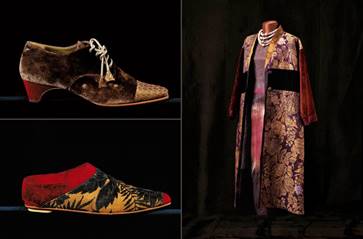
Designer Gönül Paksoy developed a distinctive language of sustainability by combining valuable historic Turkish fabrics and accessories with new fabrics and materials.
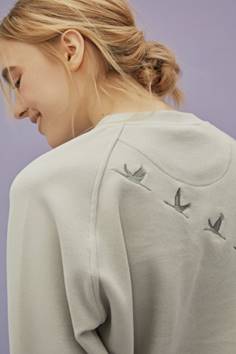
Arzu Kaprol collaborated with WWF to raise awareness of sustainable fashion, highlighting endangered animal species in her collection.

Gucci launched Gucci Off The Grid to support sustainable production, using entirely organic, recyclable and sustainable materials for the new collection.

Les Benjamins announced its ESSENTIALS FW20 collection alongside the brand’s sustainability efforts. First offered with the main FW19 collection as a more accessible capsule, Essentials featured new colours and designs as well as a sustainability focus for FW20.

As ethical fashion shows have increased in Paris, London and New York, creative solutions look set to remain central to developments in ecological materials and textiles.