As the fashion industry recognised how a store’s physical environment could set it apart, visual merchandising gained importance. It uses visual imagery and arrangements to encourage purchases and support sales.
Early trade took place in meeting and gathering spaces. By the 19th century, retailers displayed prominent signs and presented goods in windows or on street-side tables. Window displays became increasingly visible as stores developed in America.
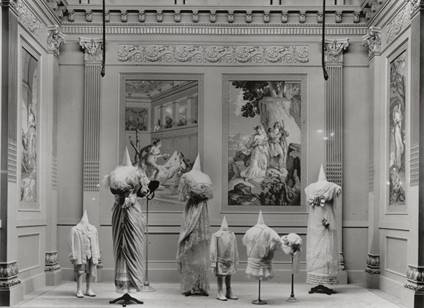
American retailer Gordon Selfridge attracted attention by keeping the window lights on at night in his Selfridges store, opened in London in 1909.

Marshall Field & Company also designed window displays to make its products more appealing to customers.
Throughout the 1930s, 1940s and 1950s, windows remained central to visual merchandising and reflected changing art movements. Many renowned painters also worked as window designers.
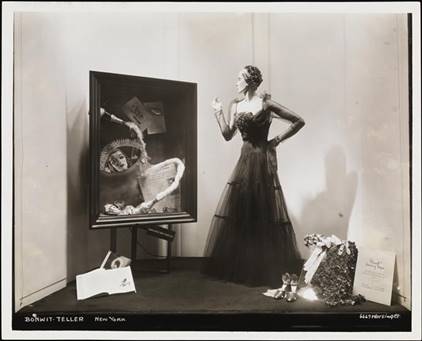
Bonwit Teller – Salvador DALI
In the 1990s, window displays incorporated photographs of prominent figures and fashion-show imagery, continuing visual merchandising’s development through the 20th century.
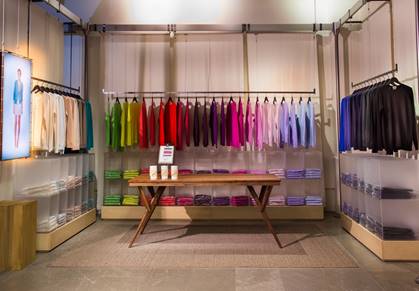
The source attributes the importance of visual merchandising in communication to retention rates of 70% for what we see and 30% for what we read and hear.
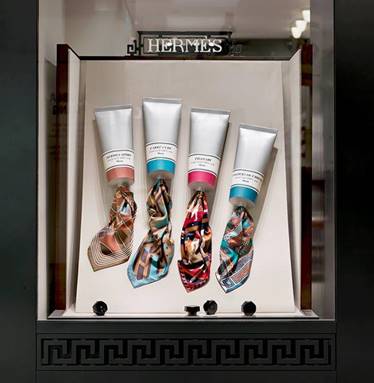
Visual merchandisers and window designers create attractive, effective arrangements that encourage passers-by to enter a store in the brief time they see its windows. The role requires creativity, a sense of order, knowledge of design principles, artistic ability and an understanding of store design.
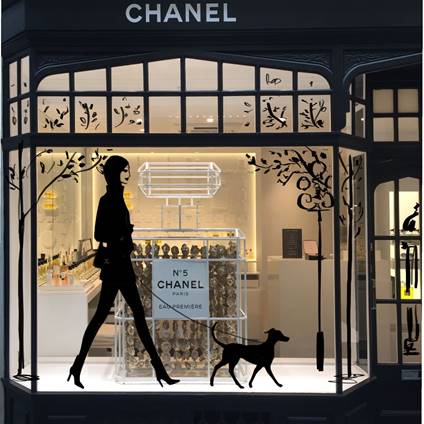


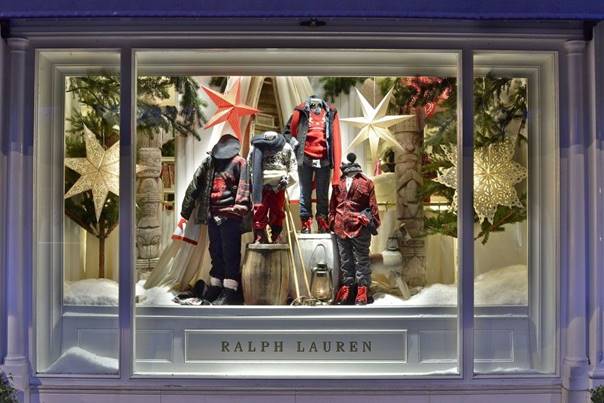

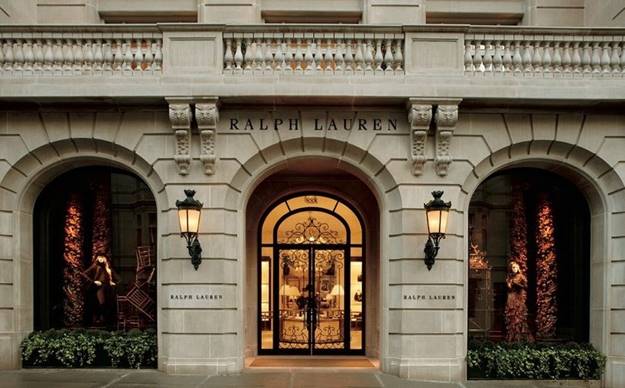
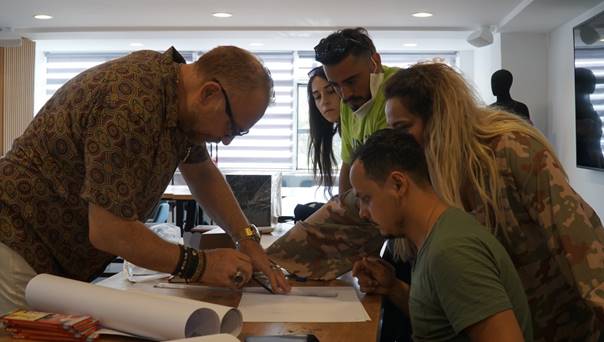
The growing importance of visual communication has highlighted the need to train specialists. International Altier Academy offers Visual Merchandising training with instructor Erdal Güvenç.

With local and international industry experience, global networks and a record of developing talent in retail and fashion since 1985, Erdal Güvenç’s Visual Merchandising and Window Display programme aims to train technical specialists and help junior employees build technical skills and access career opportunities.